
Vision Therapy · Children & Adults
What is vision therapy?
Vision therapy is a doctor-guided program that trains the eyes and brain to work together. It builds the visual skills behind reading, learning, comfort, sports and daily life, one-on-one and at your own pace.
Who it helps
20/20 eyesight isn't the whole story.
Many children and adults see clearly on the eye chart but still struggle, because their eyes aren't teaming, tracking or focusing efficiently. Vision therapy may help if you notice:
- Losing place, skipping or re-reading lines
- Headaches or eye strain with reading or screens
- Double or blurry vision up close
- Poor reading endurance or avoiding reading
- An eye that turns in or out
- Trouble with focus or attention on close work
- Clumsiness or poor depth perception
- Vision symptoms after a concussion
How it works
It's not about stronger eye muscles. It's about better visual skills.
Vision happens in the brain. Vision therapy improves how efficiently your visual system aims, focuses, tracks and processes what you see, so those skills become automatic in the classroom, at work and on the field.
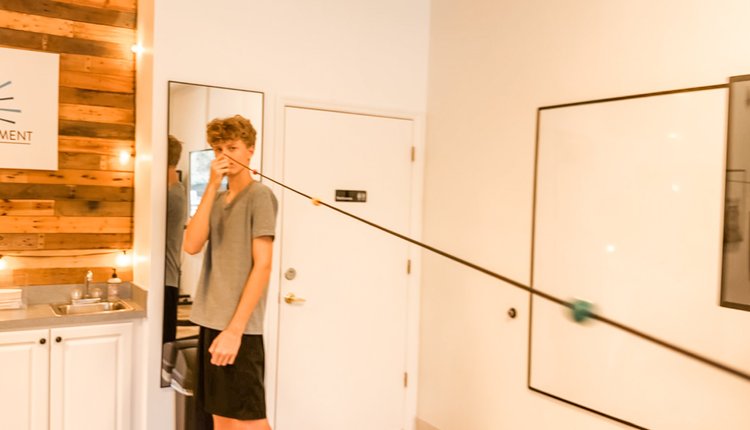
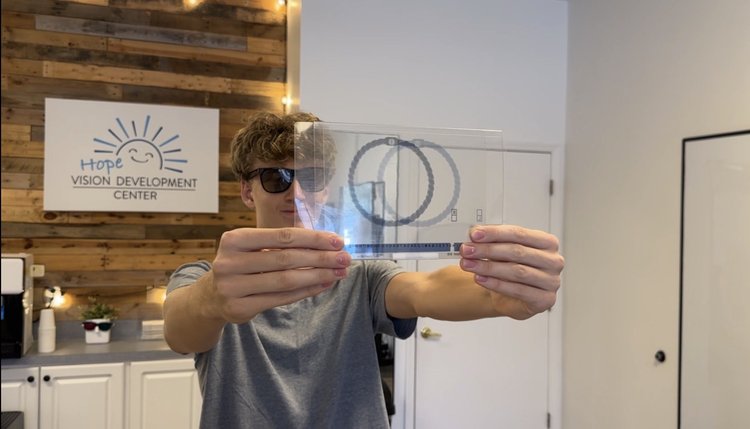
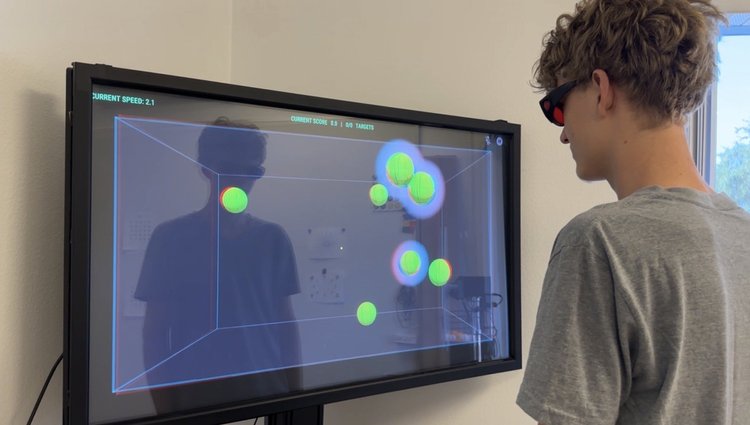
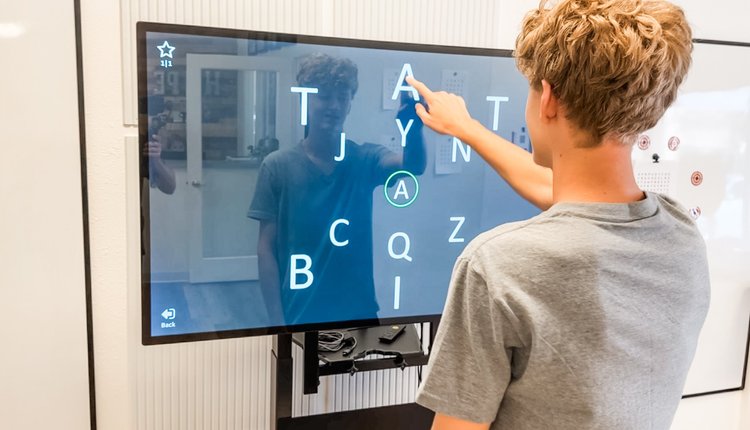
Think of it as physical therapy for the visual system. In each session, a trained vision therapist guides you through activities using lenses, prisms, filters and targeted tools. Activities are chosen from your evaluation and adjusted as your skills improve.
Home activities reinforce progress between visits, and the doctor re-checks your skills at progress exams to make sure the plan is working.

Dr. Allison Toler, OD, FAAO, FOVDR is board-certified in vision development and rehabilitation and has led Hope Vision Development Center since 2013.
What we treat
Conditions vision therapy can help
Your Binocular Vision Evaluation tells us which of these apply and whether therapy is the right next step.
We also treat eye tracking (ocular motor) problems and vision symptoms after a concussion or brain injury. Vision therapy for adults →
Inside a session
What we train
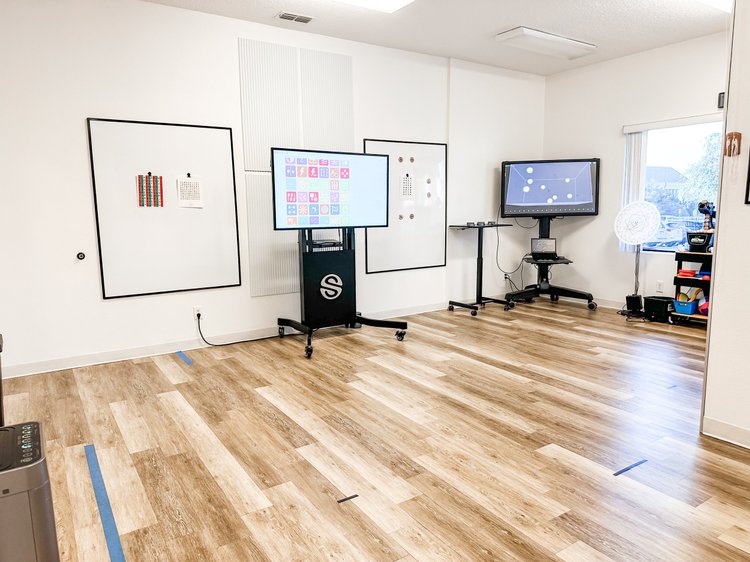
Every session is one-on-one with a trained vision therapist and built around your goals.

Getting started
Clear steps, clear pricing.
Every vision therapy program starts with an evaluation, so you know exactly what's going on before you commit.
Symptom Checklist
Free, online, about two minutes. A quick way to see if vision could be part of the problem.
Start the checklist →Request & records
Send an evaluation request and your most recent eye exam records. Our team will call to schedule.
Request evaluation →Binocular Vision Evaluation
About 90 minutes with Dr. Toler, testing eye alignment, teaming, tracking and focusing.
$295
Your therapy plan
If therapy is recommended, Dr. Toler walks you through the findings and a personalized program.
See programs →Program options
In-office or at-home
Programs run in units, each ending with a progress exam with the doctor. Most patients complete two units.
In-Office Vision Therapy
$175
per session with a vision therapist · about $4,200 for a typical 22-session program
Includes
- Weekly 50-minute one-on-one sessions
- 11 sessions plus a progress exam per unit
- Home activities between visits
- Plan adjusted as your skills improve
At-Home Vision Therapy
$995
per 12-week unit, including a progress exam
Includes
- A guided home program and materials
- 12 weeks per unit; most patients complete two
- Progress exam with the doctor each unit
- Available for select diagnoses
Insurance and scholarships. We're a fee-for-service practice and don't participate with medical or vision insurance, which gives us the time and testing specialty care needs. Eligible families can use the Family Empowerment Scholarship (FES-UA) through Step Up For Students toward our In-Office program. Programs & Fees →
Questions
Vision therapy FAQ
Is vision therapy just eye exercises?
No. Eye exercises alone target a single movement. Vision therapy is a doctor-prescribed, supervised program that uses lenses, prisms and targeted activities to build how the eyes and brain work together, and it's adjusted every session based on your progress.
Does vision therapy work?
For many conditions, yes. For convergence insufficiency, a large NIH-funded clinical trial found office-based vision therapy with home reinforcement was the most effective treatment for children. Your evaluation tells us whether therapy is likely to help in your case.
Do I need an evaluation first?
Yes. A Binocular Vision Evaluation with Dr. Toler is required before therapy so we can confirm what's going on, decide whether therapy is appropriate and build an individual plan.
How long does vision therapy take?
Most patients come once a week for 50-minute sessions. Programs run in units of 11 sessions plus a progress exam, and most patients complete two units: 22 sessions over about six months.
Is vision therapy only for children?
No. We see adults for eye teaming and focusing problems, eye strain with screens, and vision symptoms after a concussion or brain injury. Children · Adults
Do you take insurance?
We're a fee-for-service practice and don't participate with medical or vision insurance plans. Payment is due at the time of service. Eligible families can use FES-UA scholarship funds through Step Up For Students toward our In-Office program.
Find out if vision is holding you back.
Request an evaluation and our team will call to talk through your concerns and schedule your visit. Prefer to talk now? Call 352-243-4673.