
Don't let vision be the invisible barrier.
Every adult deserves the visual skills to do their best at work, in school, and in sports. If headaches, eye strain, or slow, tiring reading are holding you back, we can help.
Vision is much more than reading an eye chart.
20/20 only means you can read small letters on a chart 20 feet away, for a few seconds. Work asks much more of your eyes: aiming them together, focusing up close, and moving smoothly across a page or screen, hour after hour.
When those skills are weak, reading takes more effort than it should. You may push through it for years and assume everyone feels this way.

We help adults whose vision gets in the way of work and sports.
Does any of this sound familiar? Our free online checklist takes about two minutes and tells you whether an evaluation makes sense.
Common symptoms
- Headaches when reading or on screens
- Poor reading comprehension
- Skipping words or lines
- Words that seem to move
- Double vision (diplopia)
- Poor depth perception
- Avoiding reading
What makes us different
A routine eye exam checks how clearly you see. We test how well your eyes work together.
21-point Binocular Vision Evaluation
Goes beyond a routine eye exam to test all the visual skills used for reading, work, and learning.
The skills that matter
Eye alignment, eye teaming, eye focusing, and eye tracking are the foundation of comfortable, efficient reading.
A board-certified doctor
Dr. Allison Toler is board certified in vision development, vision therapy, and vision rehabilitation (FOVDR).
Focused exclusively
Hope Vision Development Center focuses only on binocular vision evaluations and vision therapy.

"I have found that a symptom checklist is one of the best tools to uncover if visual skills are adversely impacting academic performance."
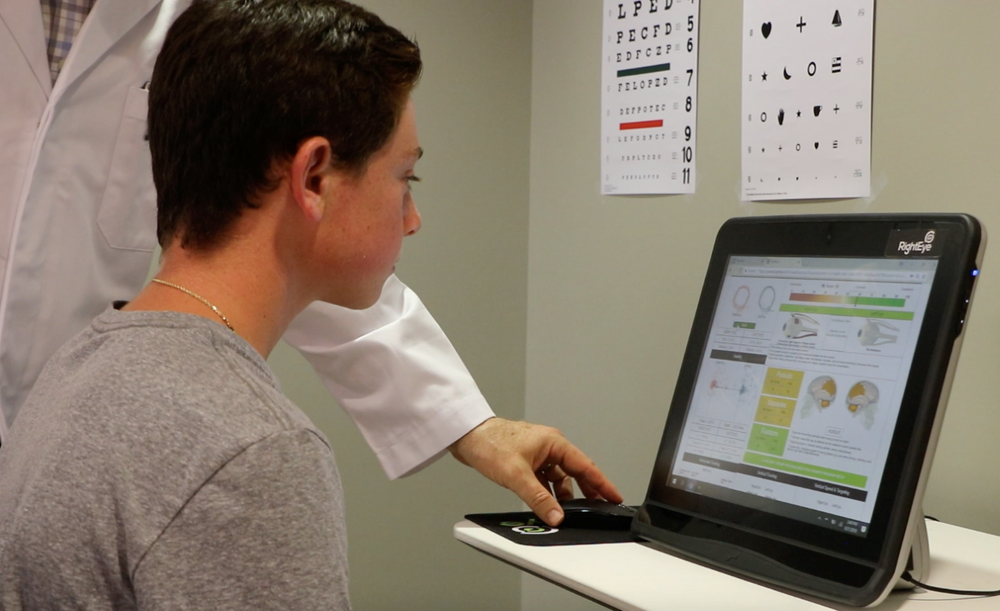
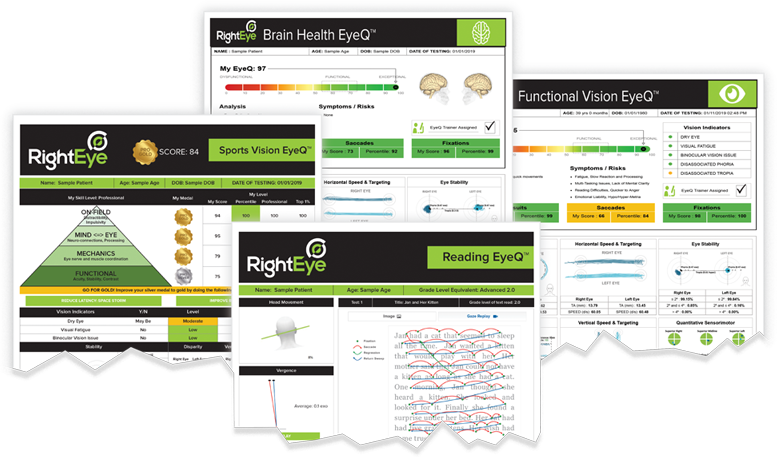
Eye-tracking technology that helps get you answers.
Computerized eye tracking records exactly how your eyes move while you read and follow targets, so we can show you what's happening instead of guessing.

How it works
Clear steps, clear pricing.
Vision evaluation
A Binocular Vision Evaluation, plus a Visual Processing Evaluation if needed.
Doctor conference
Dr. Toler reviews your results and a written plan with you. Included in our fees.
Vision therapy, if needed
We offer two options: In-Office or At-Home Training programs monitored by our doctor.
Our evaluation fees
We're a fee-for-service practice and don't bill insurance. See all programs and fees.
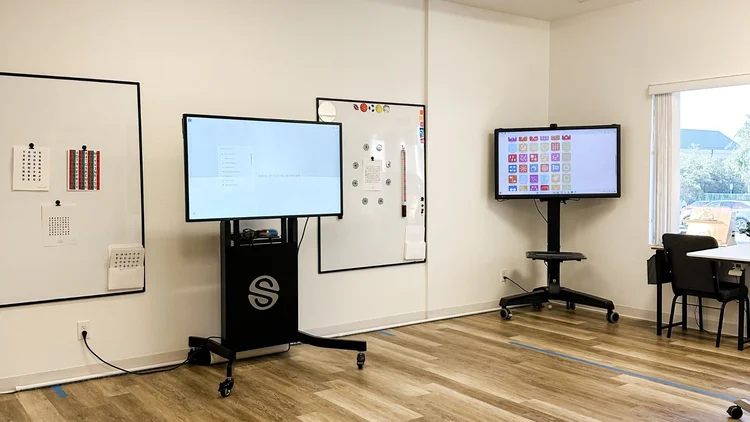
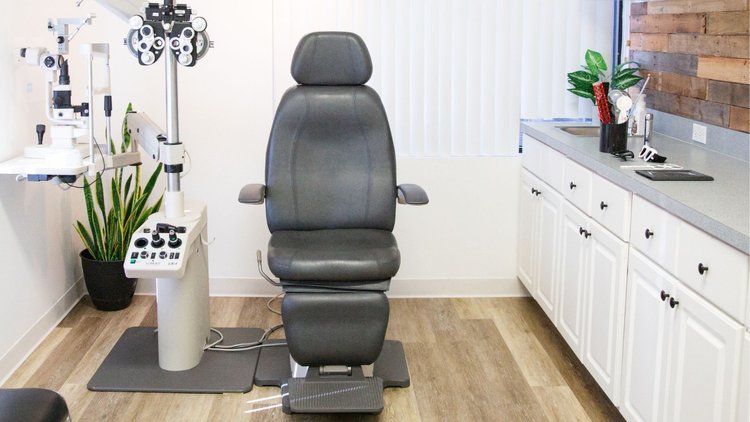
Tour our office

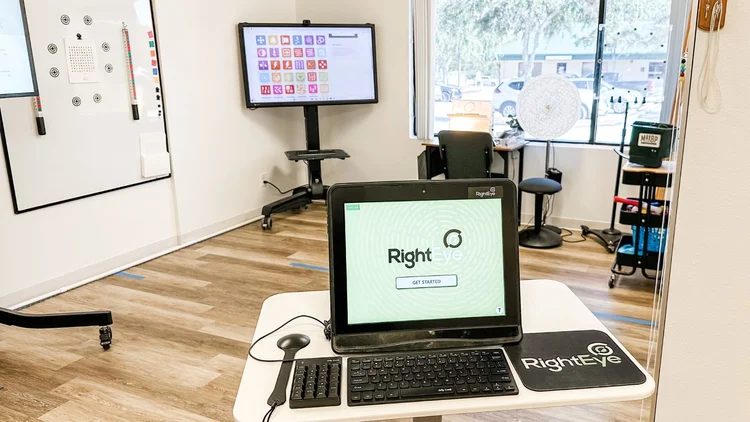
Common questions
Can adults improve with vision therapy?
Yes. Visual skills like eye teaming, focusing, and tracking can be trained at any age. Many adults have had these problems since childhood without knowing it, and they respond well to therapy.
I see 20/20. Why would I need this?
20/20 measures how clearly you see a chart across the room. It doesn't test how your eyes team, focus, and track together during sustained reading or screen work, which is where most of these problems show up.
Can you help with vision problems after a concussion?
Eye teaming, focusing, and tracking problems are common after a concussion. Our Binocular Vision Evaluation can identify them, and Dr. Toler will explain whether therapy is likely to help.
How long does vision therapy take?
Therapy runs in units of 11 weekly sessions followed by a progress exam with the doctor. Most patients complete two units or 22 sessions over six months. Your plan is based on your evaluation findings.
Do you take insurance?
We're fee-for-service and don't participate with medical or vision plans. Payment is due at the time of service.
Ready to get started?
Request an evaluation and our patient coordinator will call you to schedule.